
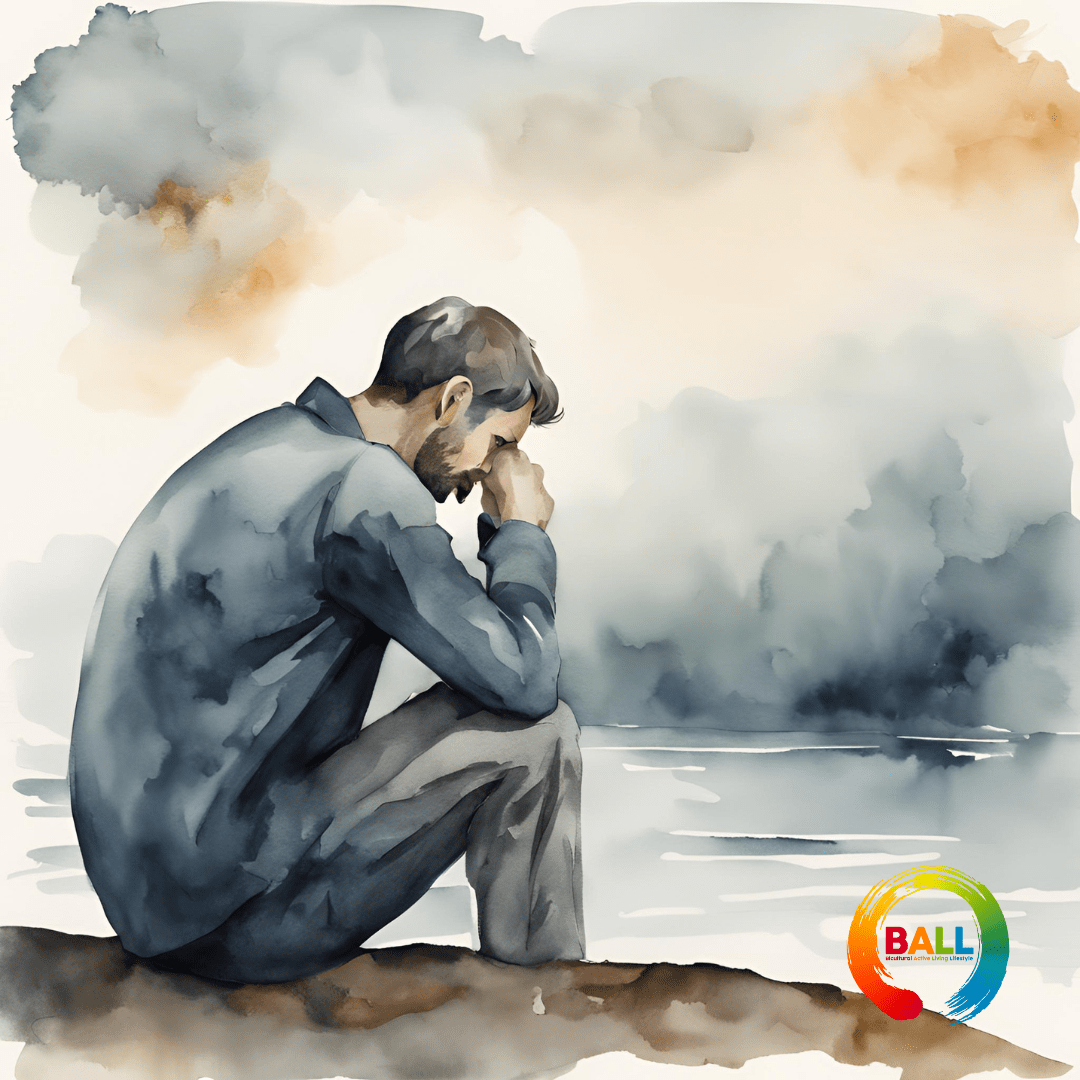
Delayed grief occurs when the emotional response to a loss is postponed, sometimes by months or even years, instead of arising immediately. This can happen for various reasons, such as the need to stay strong for others, the shock of the loss, or life circumstances that don’t allow space for mourning. Hallmarks of delayed grief include feelings of numbness or emotional detachment right after the loss, only for intense sorrow, anger, or longing to resurface later, often unpredictably. This delayed reaction can be triggered by reminders of the deceased or loss, such as anniversaries, familiar places, or even sensory cues like smells, sounds, or certain routines. These triggers reopen unprocessed emotions, leading to a resurgence of grief that may feel as raw as if the loss just happened.
What Triggers Delayed Grief?
- Five Stages of Grief: Normal grief typically involves five stages—denial, anger, bargaining, depression, and acceptance.
- Non-Linear Process: People may not experience the stages in a specific order. They might oscillate between stages, revisiting certain emotions more than once.
- Purpose of the Stages: These stages help individuals process, deal with emotions, and begin to heal after a loss.
- Delayed Grief: In delayed grief, individuals often become stuck in the denial stage, which can prevent them from fully processing the loss and lead to unresolved emotions.
- Challenges with Delayed Grief: Remaining in the denial stage can create complications, making it harder to heal and move forward.
Signs and Symptoms of Delayed Grief
Emotional symptoms of delayed grief include:
- A sense of numbness or detachment
- Intense emotional reactions in response to things that remind you of the loss
- Feelings of persistent sadness
- Intrusive thoughts or memories about your loved one
- Problem enjoying things that used to bring you pleasure
- Changes in how you feel about yourself, your purpose, or your identity
- Feelings of guilt or regret
Physical symptoms of delayed grief can include:
- Changes in sleep, appetite, or body weight
- Feeling tired or unmotivated
- Physical symptoms such as headaches, stomach aches, muscle tension, frequent illness, and digestive issues
In navigating grief, understanding both the normal stages and the challenges of delayed responses can offer valuable insight into the healing process. While the journey through denial, anger, bargaining, depression, and acceptance is unique to each person, embracing these stages can gradually lead to resolution and peace. Delayed grief, however, highlights the need to address loss when we are emotionally ready, as postponing these feelings can leave lingering pain and make it harder to heal. Recognizing this can encourage individuals to seek support, allowing them to honor their grief, find acceptance, and ultimately, foster a pathway to healing.
Reference: https://www.verywellmind.com/can-you-have-a-delayed-reaction-to-grief-8425426